
IRS Mileage Guide


Home » Mileage Tax Deduction » Medical Mileage
Last Updated: July, 2026
Are you regularly driving out of medical necessity? You might be surprised to learn that those miles can turn into valuable tax deductions! The medical mileage rate lets you deduct the cost of using your personal vehicle for eligible medical purposes, saving you money at tax time. It’s a key benefit for U.S. taxpayers. Let’s dive into how you can claim this deduction and keep more of your hard-earned cash.

Table of Contents
Understanding Medical Mileage
Navigating the world of tax deductions can feel complex, but claiming medical mileage doesn’t have to be. It’s all about understanding the rules and keeping good records.
What Qualifies as Medical Mileage?
Medical mileage specifically refers to the miles you drive for necessary medical care. This includes trips to doctors, dentists, therapists, pharmacies, hospitals, and even support groups for specific medical conditions. It’s not just for you; you can claim miles for a spouse or dependent you are taking to appointments, too.
2026 IRS Medical Mileage Rates
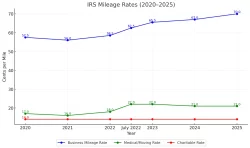
The IRS originally set the 2026 medical mileage rate at 20.5 cents per mile for trips from January 1 through June 30, 2026. It later announced a mid-year increase, raising the rate to 23.5 cents per mile for eligible medical travel from July 1 through December 31, 2026. The first-half rate was 0.5 cent lower than the 2025 rate of 21 cents per mile, while the second-half rate is 2.5 cents higher.
- January 1–June 30, 2026: 20.5 cents per mile
- July 1–December 31, 2026: 23.5 cents per mile
Because 2026 has two medical mileage rates, you must calculate trips from each half of the year separately. For example, if you drive 250 eligible medical miles before July 1 and another 250 miles on or after July 1, the calculation would be:
- 250 miles × $0.205 = $51.25
- 250 miles × $0.235 = $58.75
- Total potential medical mileage expense: $110
Do not multiply all 500 miles by one rate. The rate depends on the date each medical trip took place.
Who is Eligible to Claim?
You may claim eligible medical mileage as part of your itemized medical expenses if your total unreimbursed medical and dental expenses exceed 7.5% of your Adjusted Gross Income (AGI). For example, if your AGI is $50,000, your eligible expenses must exceed $3,750 ($50,000 × 0.075) before any amount becomes deductible.
How to Claim Your Medical Miles
There are two ways to calculate the vehicle costs connected to eligible medical travel:
The Medical Mileage Rate
This is the easiest and most common method. Multiply your eligible medical miles by the IRS rate that applied when each trip occurred:
- Use 20.5 cents per mile for eligible trips from January 1 through June 30, 2026.
- Use 23.5 cents per mile for eligible trips from July 1 through December 31, 2026.
Most taxpayers choose this method because it is simpler and may provide a better result when their direct fuel costs are relatively low.
Actual Expenses Method
With this method, you deduct the actual cost of gas and oil directly related to your medical travel. However, you cannot include general vehicle expenses such as depreciation, insurance, repairs, or maintenance.
You may also deduct parking fees, tolls, bus tickets, taxi fares, ambulance charges, and similar eligible transportation costs separately as itemized medical expenses, regardless of which vehicle-cost method you choose.
Filing for Your Medical Mileage Deduction
To deduct medical mileage on your tax return, you must itemize your deductions using Schedule A (Form 1040) instead of taking the standard deduction. First, calculate your qualifying medical trips and separate the miles driven from January 1 through June 30 from those driven from July 1 through December 31.
Then, choose one of two methods: either multiply the medical miles by the applicable IRS medical mileage rate for each period or calculate the actual cost of gas and oil used for those trips. Add the resulting dollar amount to your other eligible medical expenses.
You can only deduct the portion of your total eligible medical and dental expenses that exceeds 7.5% of your Adjusted Gross Income (AGI). After applying that threshold, report the deductible amount in the medical and dental expenses section of Schedule A.
There’s no separate form for mileage; it’s included as part of your overall medical expense entry. Keep detailed records in case the IRS requests documentation.
Important Considerations for Your Claim
To make sure your claim is valid, remember these points:
- Use the Correct Rate: Apply 20.5 cents per mile to eligible medical trips from January through June and 23.5 cents per mile to trips from July through December. The higher rate is not retroactive.
- Documentation is Key: Keep fuel receipts if you use actual expenses, or maintain a detailed mileage log if you use the standard mileage rate. Record the date of each trip, destination, medical purpose, and miles traveled. Keep appointment records, receipts, or other medical documents as supporting evidence.
- Trip Purpose: The trip must be primarily for essential medical care. Personal detours or unrelated stops do not count as medical mileage.
- Insurance Coverage: This deduction is limited to out-of-pocket expenses. If your insurer or another party reimburses you for medical travel, you cannot also include the reimbursed amount in your deduction.
Watch this video walkthrough of medical mileage reimbursement in California to get the full picture.

MileageWise: Your Solution for Effortless Medical Mileage Tracking
Now that you understand the ins and outs of medical mileage, you might be thinking, “How can I possibly keep track of all this easily and accurately?” That’s where MileageWise comes in. We offer smart solutions designed to make your life simpler and your mileage logs audit-proof.
Mobile App for Medical Mileage & Expense Tracking
- Quick Setup: Start tracking in minutes: no tech skills needed, so you can focus on your health.
- Automatic Mileage Tracking: Log medical trips with ease. Hands-free and accurate.
- Flexible Routing/Distance Calculations: Choose to track every mile or an optimized mileage calculation.
- Ad-Free & Privacy-Focused: No ads, no data selling. Your health-related travels stay private and secure.
Dashboard for Reviving Past Trips
- Google Maps Timeline Integration: Forgot to track a trip to your doctor or the pharmacy? Recover past travel history using your Google Location data.
- Bulk Client & Trip Import: Set the trips you previously logged in excel or upload destinations in bulk to save time.
- Comprehensive Trip Management: Set recurring trips, label them by purpose, edit in batches, and manage multiple vehicles or users.
Support That Understands Your Needs
Whether you’re managing chronic care travel or assisting a loved one, our team understands how important accurate tracking is. From setup to report generation, you’ll get quick, practical help.
Try MileageWise for free for 14 days. No credit card required!
Automatic Mileage Tracker App


Success Story: How a User Took Control of her Medical Mileage
I have a rare condition that means regular long drives to medical appointments. When I get home I’m always drained, with no energy left to records my mileage. I knew I was missing out on deductions.
That’s when I found MileageWise. The app’s automatic tracking changed everything. I use the vehicle movement recognition mode, and it logs every trip in the background without me lifting a finger. Now I am finally claiming the deductions I deserve, and I don’t lament over missed miles anymore.
Conclusion
Don’t leave money on the table when it comes to your medical mileage deduction. It’s a legitimate way to reduce your tax burden. Take charge of your finances with these simple steps:
- Understand the Rules: Know if you qualify and what expenses are deductible.
- Keep proper records: Accurate documentation is your best friend.
- Choose the Right Method: The standard medical mileage rate is usually easiest.
- Use Smart Tools: Leverage technology like MileageWise for accuracy and compliance.
- Seek Expert Help: Consult a tax professional if your situation is complex.
FAQ
What is the IRS medical mileage rate for 2026?
The IRS medical mileage rate for 2026 is 20.5 cents per mile for eligible trips from January 1 through June 30 and 23.5 cents per mile for trips from July 1 through December 31. Use the rate that applied on the date of each trip to calculate your deductible medical transportation costs.
What trips qualify for medical mileage deduction?
You can deduct mileage for trips made primarily for medical care, such as doctor visits, hospital visits, therapy, dental appointments, and picking up prescriptions. The trip must be primarily for, and essential to, medical care for yourself, your spouse, or a dependent.
Who is eligible to claim the medical mileage deduction?
Taxpayers who itemize deductions on their federal income taxes may be eligible to claim medical mileage if their total qualified medical expenses exceed 7.5% of their adjusted gross income (AGI).
How do I calculate my deduction for medical mileage?
Multiply the total number of miles driven for qualified medical purposes by the IRS standard medical mileage rate. Any parking fees and tolls related to that travel can be deducted separately.
How do I report medical mileage on my tax return?
Report your total qualified medical expenses, including medical mileage, on Schedule A when you itemize deductions. Keep detailed records of your mileage and the medical purpose for each trip.